A Field Guide to Garage Door Maintenance in Gold Coast Homes
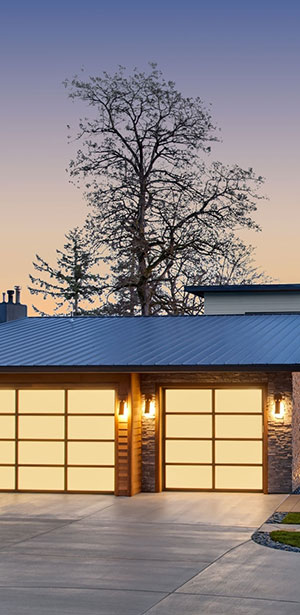
Few Australian locations punish garage doors as consistently as the Gold Coast. Four climate factors stack at once here — humidity that never seasonally drops off, Pacific salt drifting inland on the breeze, summer UV at its peak, and a storm season running from November all the way through April.
Service the door properly and you can reasonably expect 25 years of working life. Skip the maintenance? You're looking at major repair work every two to three years and full replacement somewhere between 12 and 15 years in. What follows breaks down garage door maintenance in Gold Coast homes practically — the actual work involved, the real costs, the DIY-versus-professional line.
How Coastal Conditions Shape Garage Door Care
Where your house sits relative to the ocean changes the calculation. The coastal-strip suburbs cop it worst: Surfers Paradise, Burleigh Heads, Mermaid Beach, Palm Beach, Coolangatta. Salt blows in on every onshore breeze. Move inland — Nerang, Robina, Helensvale, Pacific Pines, Mudgeeraba, Worongary — and the salt fades, but you're still under the full Gold Coast humidity and UV.
Then there's storm season. Heavy rainfall events force moisture deep into seals, copyrights, and electronics. Summers regularly clearing 32 degrees push rubber, plastic, and metal toward earlier failure simultaneously.
The result happens to be that a garage door's working life on the Gold Coast averages 15 to 25 years with proper maintenance, against 25 to 35 years in cooler southern Australian cities like Melbourne or Adelaide. Maintenance isn't optional here. It's the difference between getting full value from your investment and replacing components years earlier than necessary.
Monthly Garage Door Visual Inspection Made Simple
Nothing else in garage door maintenance returns more value for less time. Five minutes a month, no cost, every red flag caught early. The drill: trigger the door, watch it run a full open and close cycle, and pay attention to three things — sounds you haven't heard before (grinding, scraping, popping), any unevenness in the travel (jerking, hesitation, wobble), and whether the door seals flush to the floor at close.
Three components carry visual warning signs that mean service work happens to be due: springs (look for stretching or rust), cables (look for fraying), and rollers (look for visible wear). Stand back when you check these. Then check the safety side — both photoelectric sensors near the floor should show steady indicator lights when the door is open. And run a contact test: a 50mm timber block in the door's closing path should trigger the auto-reverse function immediately.
Don't operate a door that failed any of these checks. Call a qualified Gold Coast garage door technician instead. Australian Standard AS/NZS 4505 exists specifically because doors without working auto-reverse have injured and killed children and pets — the requirement covers every residential garage door for that exact reason.
Quarterly Garage Door Lubrication Made Simple
Quarterly DIY lubrication takes 20 minutes and around $15 in supplies. Simple work, except for one thing most homeowners get wrong: product selection. The correct choices happen to be silicone-based spray lubricant or lithium grease. WD-40 doesn't qualify. Despite its reputation, WD-40 happens to be a degreaser and water displacer, and spraying it on your garage door actively strips off whatever lubrication was already there.
Where to apply lubricant: between panel copyrights, on rollers where they contact the track (skip sealed wheel bearings), lightly along the full length of torsion springs, on the bearing plates at each end of the spring shaft, and on opener drive components per the manufacturer's instructions. What to leave alone: the tracks themselves. They're meant to stay clean. Lubricating them attracts dust and creates grinding wear over time.
Clean off any excess product when you're done. Anything left sitting on a component surface attracts the local dirt, salt, and grit — and within a few weeks that mixture has turned into abrasive paste. Less product applied carefully outlasts more product applied generously.
Annual Garage Door Servicing: The Quality Standard

Annual professional service picks up where monthly visual checks and quarterly DIY lubrication stop. Budget $120 to $180 for the standard Gold Coast service. The inclusions: tracks get cleaned and alignment-checked, copyrights and rollers get correctly-lubricated, spring tension gets measured and adjusted, cables get inspected for fraying or rust, weather seals get inspected (and replaced if they've failed), opener force and travel limits get calibrated, photo eye sensors get aligned and function-tested, the auto-reverse system gets tested, and the customer gets a written condition report at the end.
There's an optional add-on worth taking if you live coastal. Homes in Surfers Paradise, Burleigh Heads, Palm Beach, and Mermaid Beach benefit from having exterior door components washed down to remove salt residue during the annual service. The cost: $30 to $50 over standard service. The return: noticeably reduced corrosion damage across the years.
How do you vet a technician for annual service? Three things: their Queensland trade qualifications need to be current, their public liability insurance needs to cover at least $2 million, and they need to demonstrate working familiarity with the major garage door brands fitted across the Gold Coast. The brands worth asking about by name include B&D, Steel-Line, Centurion, Taurean, Gliderol, Chamberlain, and Merlin.
Storm Season Preparation for Gold Coast Garage Doors
Six months of the calendar make up Gold Coast storm season, November through April. The worst electrical activity within those six months falls in the December-to-February window. Pre-season preparation matters because the storm season failures tend to be the most expensive ones — the kind that turn one storm into months of repairs.
Check the opener's power supply and surge protection. Lightning strikes on the Gold Coast electrical grid take out logic boards every storm season, and a $30 to $50 surge protector dramatically reduces the chance of a $250 to $500 logic board https://goldcoastgaragedoorrepair.com.au/burleigh-heads-qld/ replacement after a lightning event. Test the battery backup if your opener has one — battery life typically runs three to five years before capacity drops below useful levels.
Inspect weather seals along the bottom and sides of the door. Failed seals let driving rain into the garage, which damages stored items and can affect floor coatings. Bottom seal replacement runs $80 to $150 installed, and side seal replacement runs $60 to $120 depending on door size.
One more thought for coastal-strip homeowners. The storms themselves carry salt — heavier loads than the regular onshore breeze. A post-season service booked for May or June lets a technician assess and address the salt damage that built up across the active months.
When DIY Maintenance Crosses Into Technician Territory
This happens to be where DIY enthusiasm and physical safety occasionally collide. Some garage door components hold enough stored energy to cause genuine injury, and the line between DIY and professional matters precisely because of that risk. Tasks that fall safely on the DIY side: visual inspection, lubricating copyrights and rollers, replacing bottom or side weather seals, cleaning and aligning photo eye sensors, programming remotes, swapping opener batteries, cleaning the door surface, cleaning the tracks.
Work that requires a qualified technician includes any torsion spring work (these hold enough stored tension to cause serious injury or death when mishandled), cable replacement, opener motor or logic board repair, track realignment after impact damage, panel replacement, and any work involving the door's lifting mechanism.
One sentence covers the decision rule. Stored mechanical energy, electrical components, or structural integrity tend to be all "call a professional" territory. Botched DIY attempts on those systems usually cost more than the original professional repair would have — and that's leaving aside the injury risk side of the equation entirely.
Garage Door Maintenance Pricing for Gold Coast Homes
For a typical Gold Coast home with a single garage door, expect annual maintenance costs in the following ranges. DIY lubrication and visual inspection runs around $15 to $30 per year in supplies. Annual professional service runs $120 to $180, plus the optional salt washdown for coastal homes at $30 to $50. Weather seal replacement when needed runs $80 to $150. Surge protection upgrade runs $30 to $50 as a one-time cost.
Over a 10-year period, total maintenance investment typically runs $1,500 to $2,500. Against the $2,500 to $4,500 cost of a full door replacement and the $1,000 to $2,500 cost of an opener replacement, that maintenance budget extends working life and prevents premature failures. These figures reflect typical southern Gold Coast market pricing in recent years and shift with material and labour rates.
The Most Common Maintenance Questions From Homeowners
*How often should garage doors be serviced on the Gold Coast?* Where you live determines the answer. Inland homes do fine with annual professional service. Coastal-strip suburbs in Surfers Paradise, Burleigh Heads, Palm Beach, and Mermaid Beach see enough salt damage to warrant twice-yearly servicing. Either way, the professional schedule sits on top of monthly DIY visual inspection and quarterly DIY lubrication.
*How much does garage door maintenance cost on the Gold Coast?* Per year, the maths breaks into two parts. DIY supplies cover $15 to $30, professional service covers $120 to $180, and coastal homes add another $30 to $50 to that service. Stretch the calculation across a decade and the total maintenance investment lands between $1,500 and $2,500.
*Can I do garage door maintenance myself?* For some tasks, yes — lubrication, visual inspection, replacing weather seals, cleaning photo eye sensors, programming opener remotes all fall safely into DIY territory. For others, no. Torsion spring work, cable replacement, opener motor repair, and any task involving the door's lifting system all need a qualified technician. Injury risk drives the line.
*What's the best lubricant for garage doors in Gold Coast humidity?* Two products work well in Gold Coast subtropical conditions: silicone-based spray lubricant and lithium grease. One product to avoid: WD-40, which actually strips lubrication off rather than adding it despite its reputation. Apply each quarter and clean off any excess before it traps dust and salt.
*When should I prepare my garage door for storm season?* October through early November happens to be the ideal window. Storm season runs from November through April, with peak electrical storm activity between December and February. Pre-season checks should include surge protection, battery backup testing, and weather seal inspection.
The Honest Closing Word for Homeowners
Three things separate maintained doors from neglected ones over a decade on the Gold Coast: longer service life, fewer expensive surprises, and continued compliance with Australian Standard AS/NZS 4505. The numbers favour maintenance plainly. Garage door maintenance in Gold Coast homes typically runs under $2,500 across ten years, while the repair and replacement bills on neglected doors reach $5,000 to $10,000 across the same period.
If you've never had your garage door professionally serviced, the most valuable thing you can do this month is book an annual service with a qualified local technician and ask for a written condition report. That single service identifies which components happen to be wearing, which need replacement soon, and which will reach end of life over the next two to three years — turning surprise breakdowns into planned maintenance that fits your budget rather than emergency calls that don't.